THE COMPLETE GUIDE TO CHINESE SEABASS (LATEOLABRAX JAPONICUS)
1. Introduction — What Is Asian Seabass (Lateolabrax japonicus)?
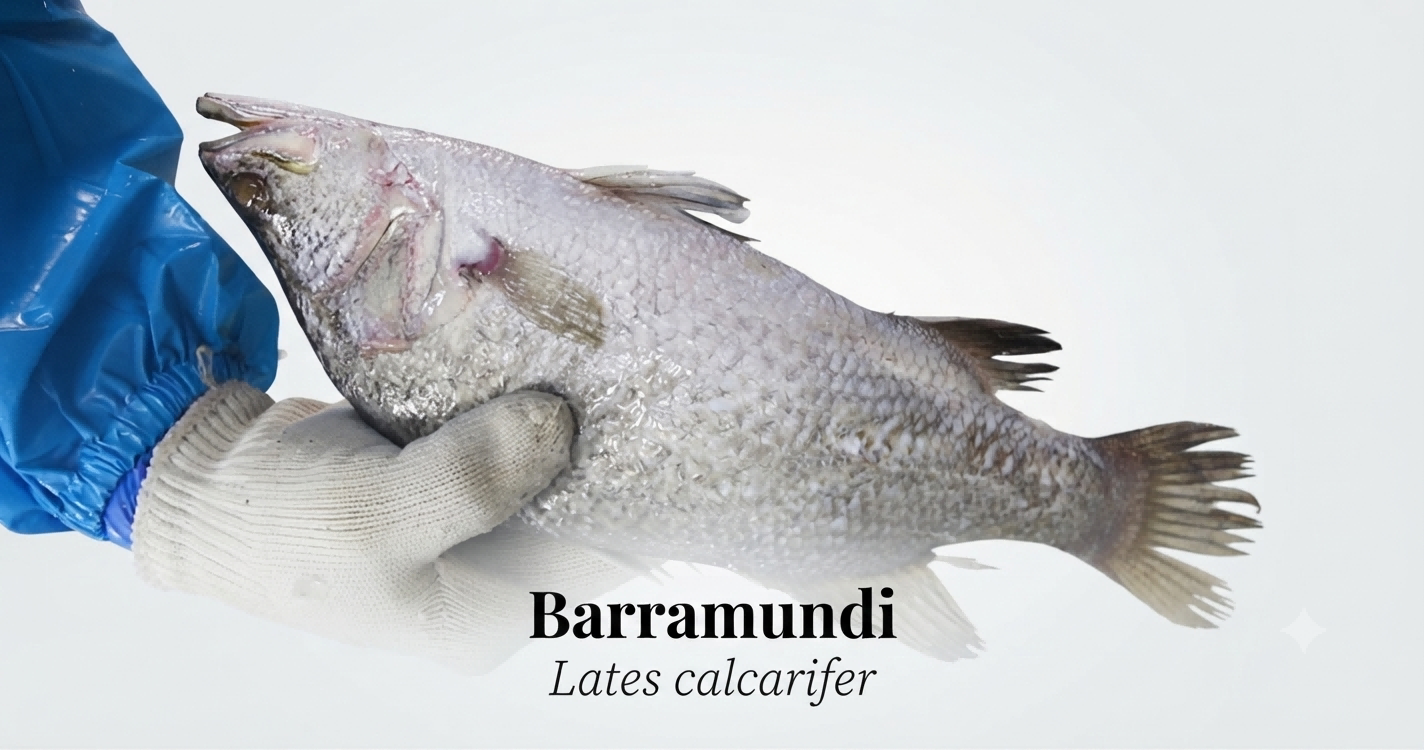
Asian seabass, also known as sea perch and commonly called “seabass” in English (Chinese: 海鲈 / 七星鲈 / 花鲈), is one of the most prized and commercially valuable marine fish species in Northeast Asia. Scientific name: Lateolabrax japonicus. Seabass is renowned for its firm white flesh, delicate flavor, and excellent culinary versatility — making it a top choice for restaurants, processors, and retailers worldwide.One of its natural characteristics is the presence of small black spots distributed along the upper back, which is a key identifying feature of this species.
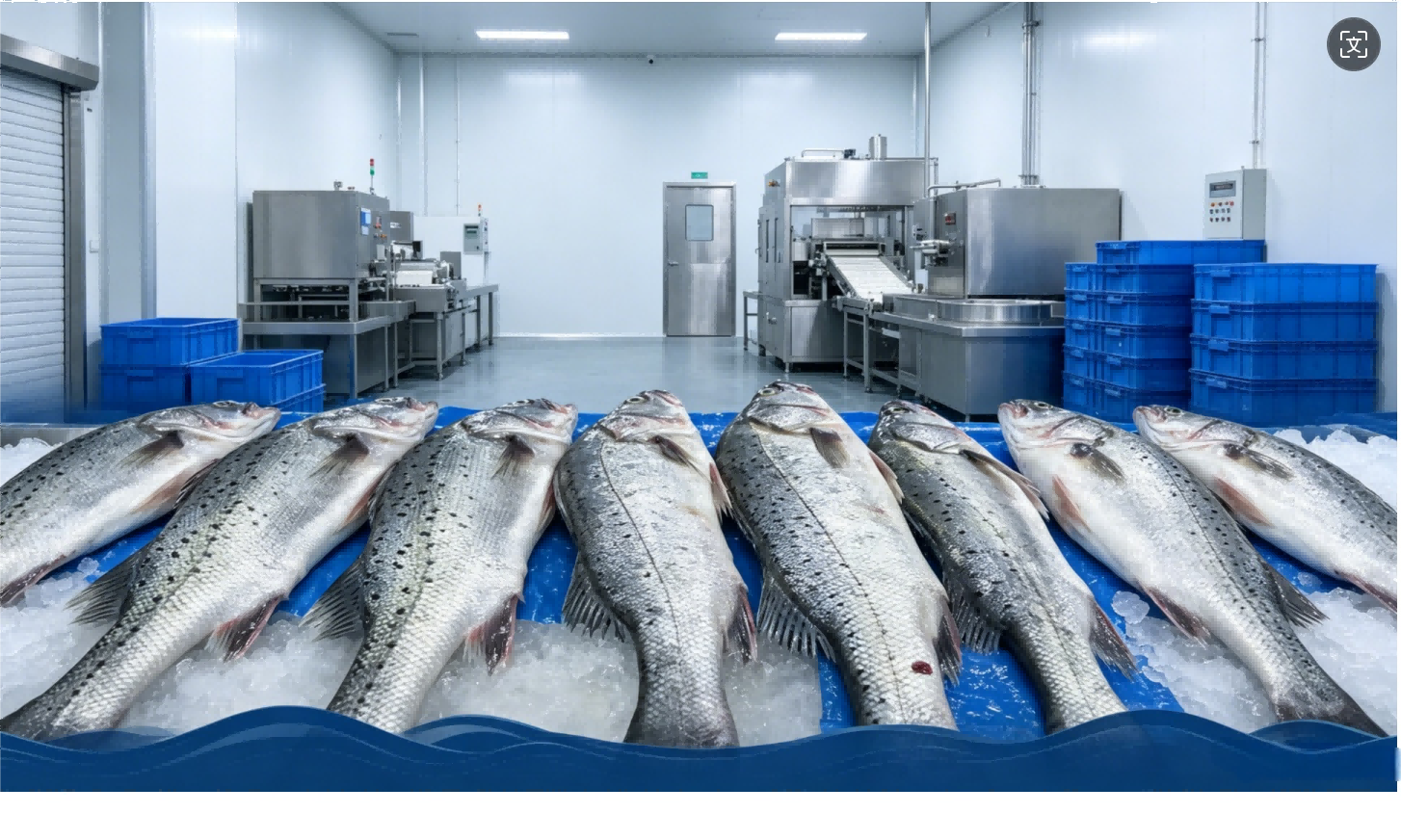
As consumer demand for high-quality seafood continues to rise, farmed seabass from China — especially those from Zhuhai’s Baijiao area — have become a trusted source for international markets due to consistent supply, rigorous quality control, and traceable farming practices. CHF Seafood’s processing facility (Zhuhai Chenghuifeng Agricultural Science and Technology Co., Ltd.) is located right in the heart of this seabass farming hub, with live fish delivered from farms to our factory within 10–20 minutes, ensuring maximum freshness.
2. Biological Traits — Why Seabass Is Ideal for Farming
Seabass has a streamlined, laterally compressed body with ctenoid scales and a moderately pointed head. It is a carnivorous species with rapid growth and broad environmental tolerance:
-
-
Salinity tolerance: Best growth at 2–20‰; growth slows outside this range.
-
Temperature tolerance: Survives from 0–38°C; optimal growth at 22–28°C. Feeding declines below 12°C and above 28°C; nearly stops below 7°C.
-
Habitat: Shallow coastal waters and estuaries (mid-lower water layers).
-
Distribution: Yellow Sea, Bohai Sea, Beibu Gulf, Taiwan Strait, and coastal Japan.
-
These physiological features make seabass well-suited to semi-saline pond and net-cage culture in estuarine waters — providing stable production and efficient feed conversion, which translates into lower farming costs and attractive returns.
3. Seabass Aquaculture in China — Scale & Momentum
China’s seabass aquaculture has expanded rapidly in recent decades. Since 2020, annual farmed seabass production in China has exceeded 200,000 tonnes, making China a dominant producer relative to neighboring countries. The industry benefits from:
-
-
Improved hatchery and feed technologies.
-
Diverse farming systems (ponds, cages, recirculating systems).
-
Growing domestic and export demand for seabass fillets and value-added products.
-
Zhuhai — and specifically Baijiao Town in Doumen District — plays a central role in this growth, contributing a large share of national seabass output.
4. Zhuhai & Baijiao Town — The Hometown of Seabass
Zhuhai’s Doumen District is located at the mouth of the Pearl River and benefits from rich estuarine waters ideal for seabass farming. Baijiao Town (白蕉镇) has developed over decades into China’s premier seabass production area and is widely known as the “Hometown of Seabass.”
Key recognitions and achievements:
-
-
The “Baijiao Seabass” trademark (registered in 2009).
-
Certified as a national-level geographical indication product and awarded multiple regional and national brand honors (e.g., “China’s Home of Seabass,” “Top 100 Agricultural Regional Brands”).
-
Baijiao’s seabass is exported to Japan, South Korea, Southeast Asia, Europe, and the Americas.
-
As a result, buyers seeking high-quality seabass and consistent supply often look to Zhuhai and Baijiao first.

5. CHF Seafood — Integrated Farming, Processing, and Export
Zhuhai Chenghuifeng Agricultural Science and Technology Co., Ltd. (CHF Seafood) is located in Doumen District, Baijiao Town — at the heart of China’s seabass industry. CHF Seafood operates an integrated model: own farms + processing facilities + export logistics, ensuring product traceability and consistent quality from pond to port.
Our core strengths:
-
-
Local, reliable raw material sourcing from Baijiao farms (10–20 minutes live fish delivery).
-
HACCP-compliant processing and customized product lines (whole round, GGS, boneless fillets skin-on/skinless, slices, and value-added items).
-
Experience exporting to demanding markets (Japan, Korea, EU, US, Southeast Asia).
-
Ability to supply year-round with seasonal size variations and production scheduling to meet buyer needs.
-
6. Farming Models — Pond, Cage, and Factory Cultures
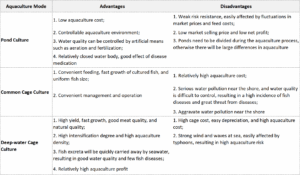
Pond Culture
-
- Typical pond size: 6–12 mu
- Water depth: 1.8–2.2 m
- Stocking time: Dec–Mar (juveniles 2–3 cm)
- Stocking density: 6,000–10,000 fish per mu
- Advantages: lower cost, stable water quality, lower disease incidence
Cage Culture
-
- Common for intensive, high-quality production
- Flexible: cages can be moved with water conditions
- Higher per-unit cost but can achieve high yields and premium pricing
In Baijiao and the Doumen region, pond culture dominates due to lower investment, easier management, and faster capital rotation — making it the preferred model for local farmers and CHF Seafood’s raw material base.
7. Production Cycle — What Buyers Should Know
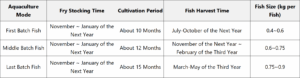
-
-
December: main stocking (juveniles)
-
September (following year): early harvest fingerlings ~0.5 kg
-
November – April: peak raw material period for fillets
-
8. Product Range — Seabass Fillets & Value-Added Items
-
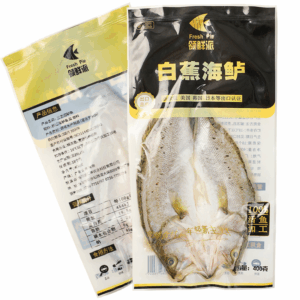
- Whole Round Seabass — fresh-frozen or chilled
- Gutted, Gilled & Scaled (GGS) — ready-for-market
- Boneless Fillets (Skin-on / Skinless) — export-grade, glazed-to-spec
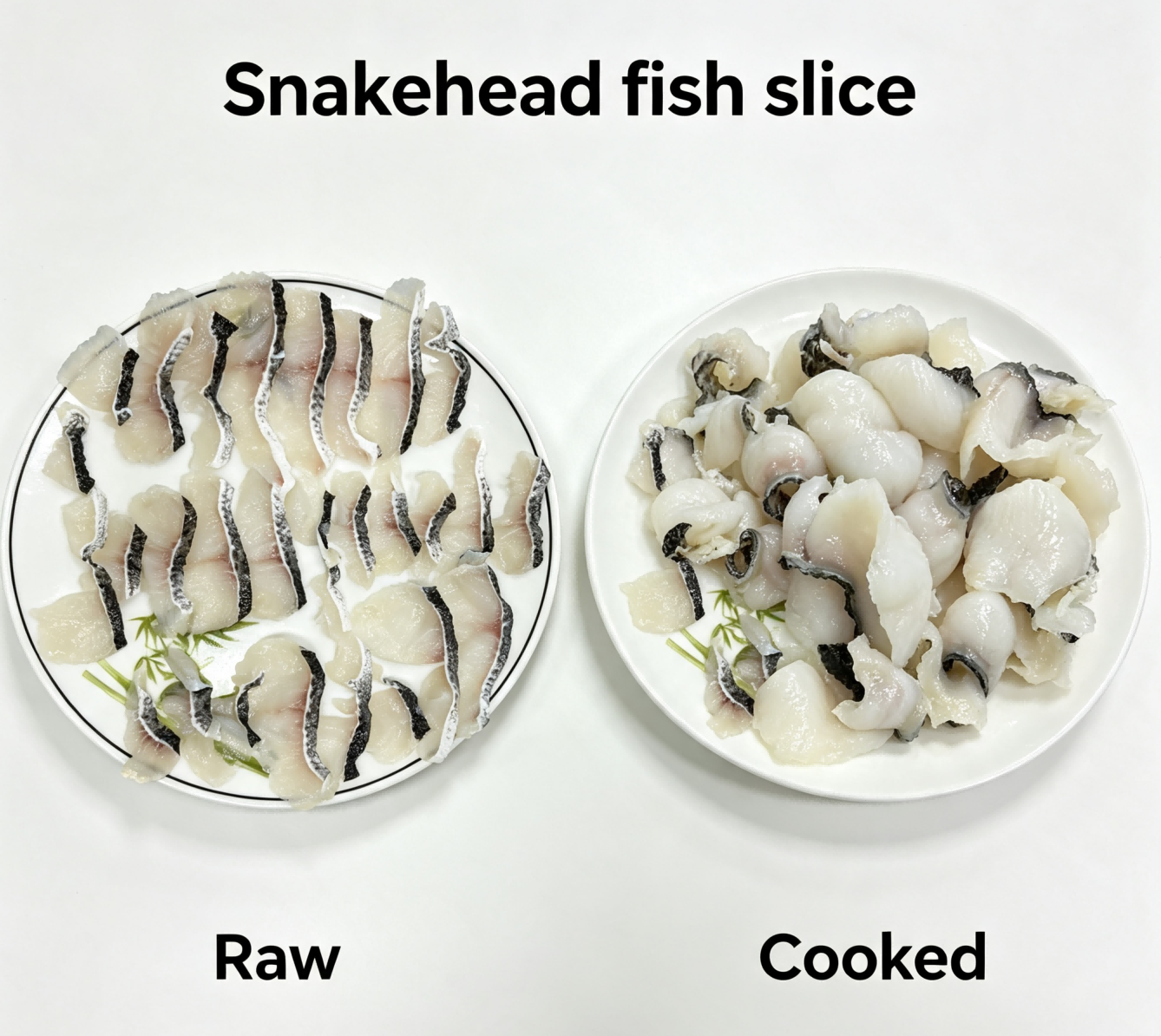
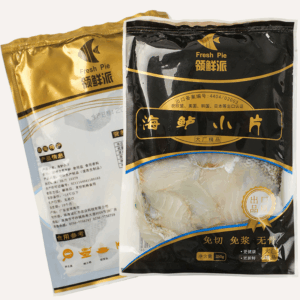
- Seabass Slices & Value-Added Products — ready-to-cook for retail and foodservice
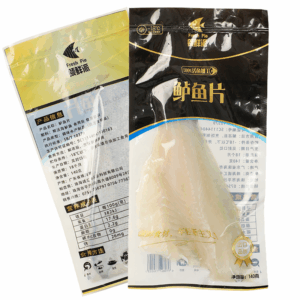
9. Why Choose Zhuhai Seabass & CHF Seafood?
-
- Geographical advantage: estuarine waters for optimal salinity
- Local expertise: decades of breeding, feed, and farming know-how
- Integrated supply chain: from farm to HACCP-approved processing plant
- Export experience: Japan, Korea, EU, US, Southeast Asia
- Consistent supply & flexibility: year-round availability and seasonal sizing
10. Sustainability & Quality Assurance
-
- Careful seed selection and health management
- Environment-aware pond management
- HACCP-standard processing and strict traceability
- Partnerships with local farmers to support livelihoods and regional brand integrity (Baijiao Seabass)
11. Conclusion — Investing in a Trusted Seabass Source
Zhuhai’s Baijiao seabass is a proven, high-quality source for international buyers. Supported by CHF Seafood’s integrated farming and processing, it offers dependable supply, rigorous food safety, and competitive pricing.
Contact CHF Seafood:
WhatsApp: +86 13727050518
Email: chloe@chfseafoo.com
Address: Baijiao Town, Doumen District, Zhuhai, Guangdong, China
Factory: Zhuhai Chenghuifeng Agricultural Science and Technology Co., Ltd.(EU approved factory code: 4404/02003)