China Sea Bass (Lateolabrax japonicus): Nutrition, Farming Environment and Health Benefits
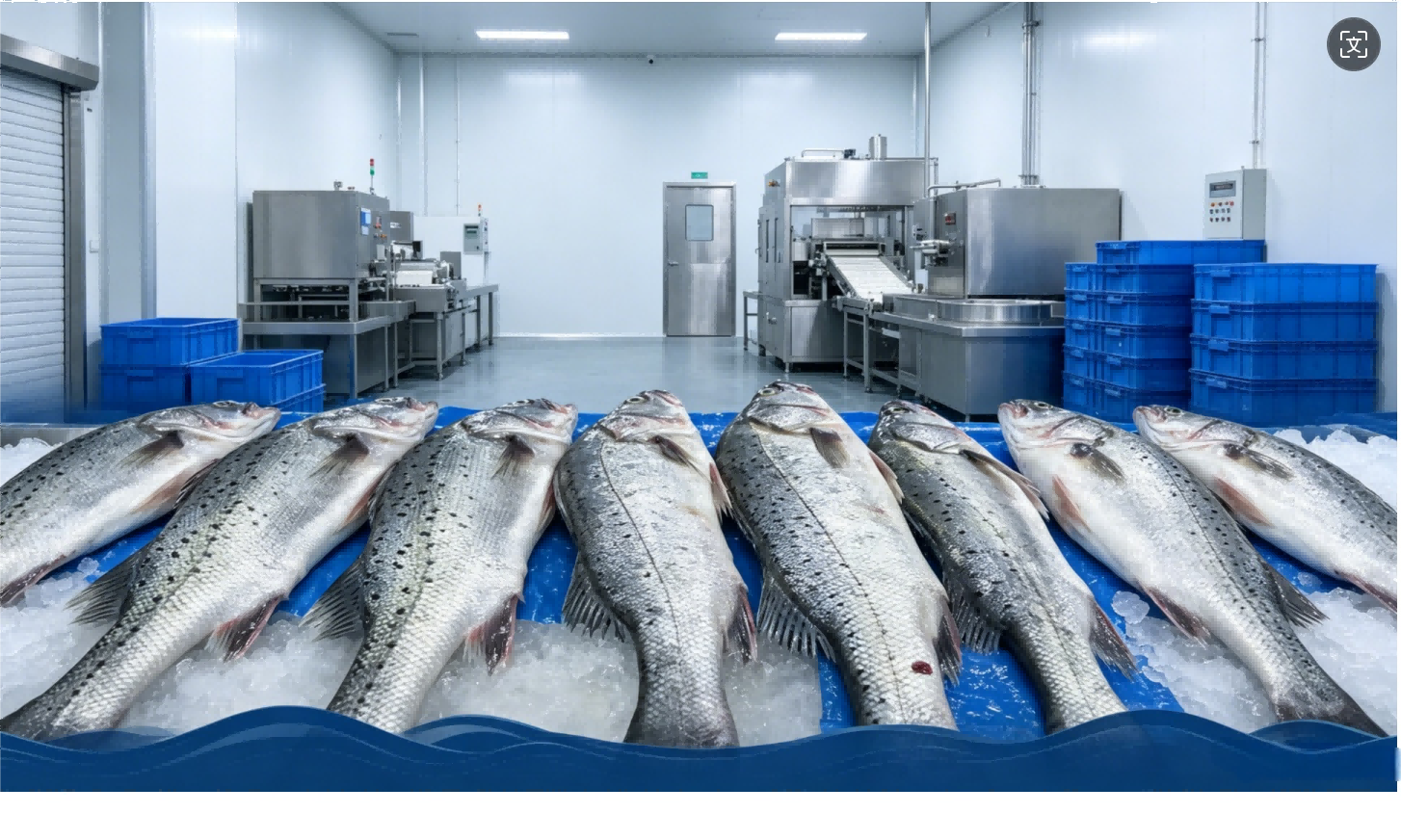
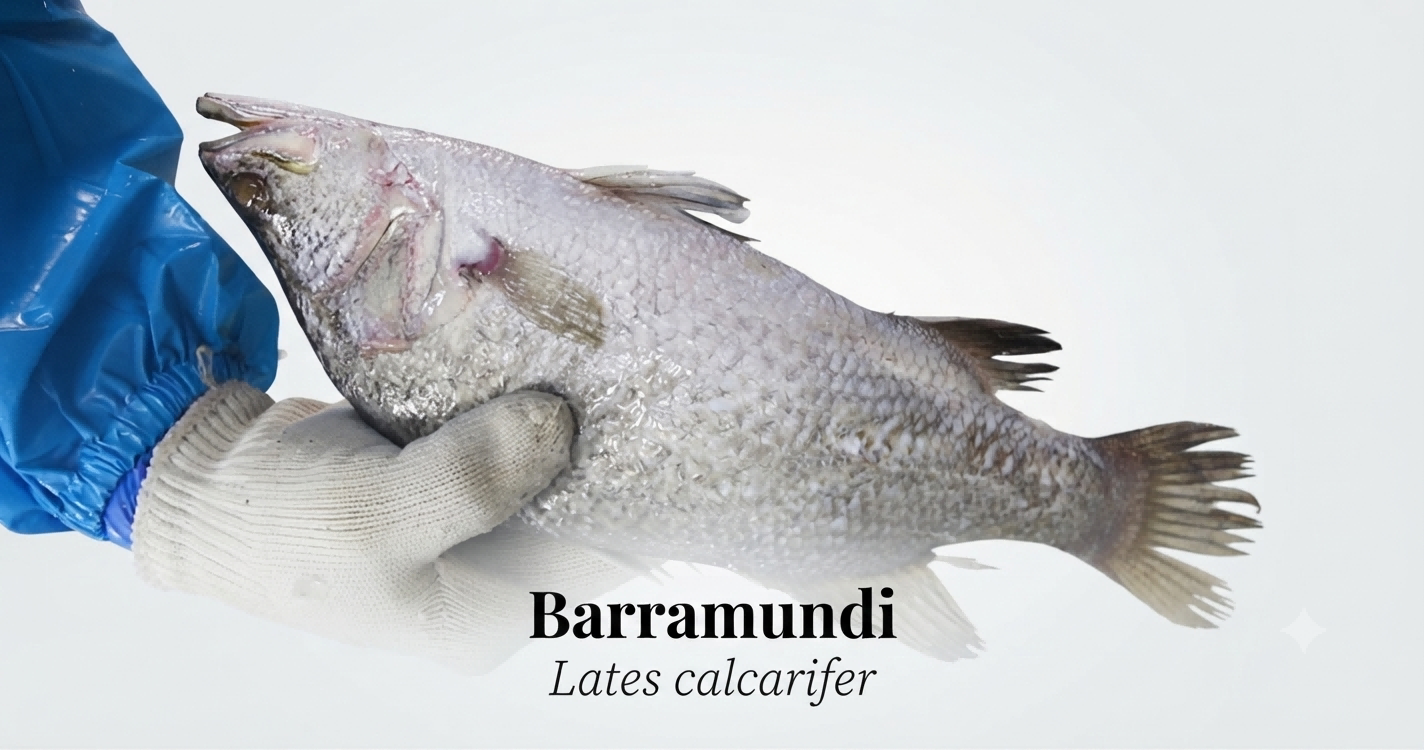
China Sea Bass (Lateolabrax japonicus) is one of the most popular farm-raised fish species in Asia and global seafood markets. Known for its delicate white flesh, high protein content and low fat levels, sea bass has become an increasingly popular seafood choice worldwide.
This species is commonly referred to by several names in international seafood trade, including Sea Bass, China Sea Bass, Japanese Sea Perch, Suruki, and Spotted Sea Bass. Because of its mild flavor and firm texture, it is widely consumed across Asia, Europe, North America and the Middle East.
Common Names of China Sea Bass
China Sea Bass (Lateolabrax japonicus) is known by several names in global seafood markets:
- Sea Bass
- China Sea Bass
- Japanese Sea Perch
- Spotted Sea Bass
- Suruki (Suzuki in Japan)
Nutritional Value of Sea Bass
Sea bass is widely recognized as a healthy seafood option due to its balanced nutritional composition and high digestibility.
| Nutrient (per 100 g) | Amount |
|---|---|
| Protein | 16.7 g |
| Fat | 2.0 g |
| Calcium | 138 mg |
The protein digestibility of sea bass exceeds 90%, making it easily absorbed by the human body. Because of its high-quality protein and low fat content, sea bass is suitable for children, elderly individuals and people following healthy diets.
Calcium Content and Health Benefits
Sea bass is also a natural source of calcium. Each 100 g of sea bass meat contains approximately 138 mg of calcium.
Consuming one whole sea bass can provide around 250–300 mg of calcium, which equals approximately 25%–37% of the recommended daily calcium intake for adults.
Omega-3 Fatty Acids and Low Fat Content
Although sea bass contains very little fat, the fat composition is considered highly beneficial. The average fat content is only 0.8 g per 100 g.
Approximately 60% of the fat consists of unsaturated fatty acids, including omega-3 nutrients such as DHA (Docosahexaenoic Acid) and EPA (Eicosapentaenoic Acid). The combined DHA and EPA content can exceed 1 g per fish.
Farming Environment of Baijiao Sea Bass
Baijiao Town in Zhuhai, China, is one of the most important farming regions for China Sea Bass (Lateolabrax japonicus). The region is often called the “Hometown of Chinese Sea Bass”.
The farming area is located at:
- 113°05′ – 113°25′ East longitude
- 21°59′ – 22°25′ North latitude
Brackish Water Ecosystem
The aquaculture environment benefits from the natural mixing of Xijiang River freshwater and coastal seawater, creating a stable brackish water ecosystem ideal for sea bass growth.
Optimal Water Temperature
The region has a subtropical marine climate with water temperatures typically ranging from 22°C to 30°C, which is considered ideal for the growth of Japanese sea bass.
Flesh Quality and Culinary Uses
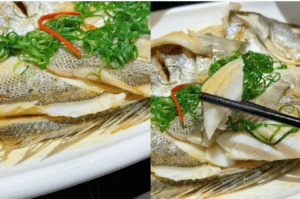
Japanese sea bass is well known for its firm white flesh, fine muscle texture and mild flavor. The meat structure is often described as having a garlic-clove texture because the muscle fibers separate naturally when cooked.
Sea bass is suitable for many cooking methods:
- Steaming
- Grilling
- Roasting
- Pan-frying
- Fish soup
Processing and Freezing
For export markets, sea bass is typically processed immediately after harvest. Processing steps may include:
- Descaling
- Removing gills
- Gutting and cleaning
- Vacuum packaging
- Rapid freezing at -96°C
Rapid freezing helps preserve freshness, texture and nutritional value.
Conclusion
With its high protein content, low fat level, rich calcium content and valuable omega-3 fatty acids, China Sea Bass (Lateolabrax japonicus) has become one of the most important farm-raised seafood species worldwide.
Known internationally as Sea Bass, China Sea Bass, Japanese Sea Perch, Suruki and sometimes Spotted Sea Bass, this species continues to gain popularity among consumers seeking healthy and high-quality seafood.
Learn more about our sea bass products: China Seabass