China Aquaculture Industry in 2026: From Farming to Global Seafood Supply
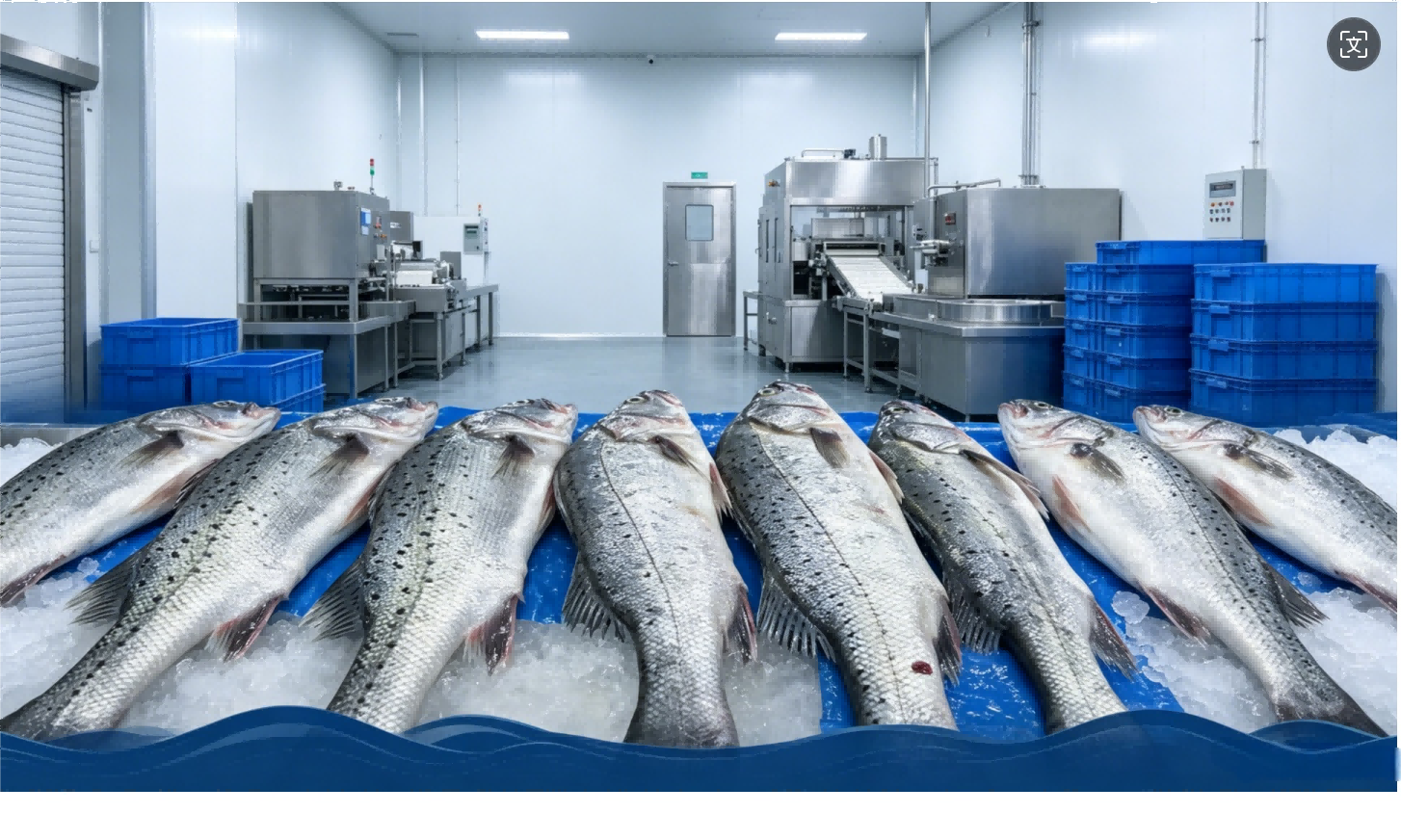
China has one of the world’s largest and most developed aquaculture industries, with a supply chain covering hatcheries, farming, feed, seafood processing, cold storage, logistics and international trade.
In 2026, China’s seafood industry continues to evolve from a production-focused model toward a more integrated supply chain. For international buyers, this development is important not only because of the volume of seafood available from China, but also because of the growing range of processed products, farming systems and export solutions.
Among the many farmed species produced in China, Asian Seabass and Barramundi are two commercially important fish for domestic and international seafood markets.
This article provides an overview of China’s aquaculture industry, major production regions, seafood processing trends and the position of farmed seabass and barramundi in the Chinese seafood supply chain.
China’s Aquaculture Industry in 2026
China’s aquaculture industry covers both freshwater and marine farming and includes a wide range of fish, shrimp, shellfish and other aquatic species.
According to China’s national fisheries statistics, total aquatic production has continued to remain at a very high level, with aquaculture accounting for the majority of China’s total aquatic production.
The country’s large domestic market has also helped create a highly developed seafood supply chain. Fish can move from farms to local collection centers, processing factories, cold storage facilities and distribution networks before reaching domestic or international customers.
For export-oriented seafood suppliers, this large production base provides access to a broad range of raw materials and processing options.
The industry is also becoming increasingly specialized. Instead of simply selling whole fish, more Chinese seafood processors now provide:
- Whole frozen fish
- Gutted and scaled fish
- Fillets and portions
- IQF frozen products
- Vacuum-packed seafood
- Retail-ready packaging
- Foodservice packs
- Customized specifications for international buyers
This shift is particularly relevant for farmed fish such as Asian seabass and barramundi.
Major Aquaculture Regions in China
China’s aquaculture industry is distributed across many coastal and inland provinces, with different regions developing their own specialty species and seafood supply chains.
Guangdong
Guangdong is one of China’s important aquaculture and seafood processing regions.
Its warm climate and extensive coastal and brackish-water areas support the farming of species such as Asian seabass, barramundi, tilapia and other warm-water fish.
The Pearl River Delta is also an important seafood processing and logistics area, providing access to processing facilities, cold storage and major transportation networks.
For international seafood buyers, Guangdong is therefore not only a farming region but also an important seafood processing and export base.
Fujian
Fujian has a strong marine aquaculture industry, supported by its long coastline and suitable coastal farming conditions.
The province is known for the production of a variety of marine fish and shellfish and has developed processing and distribution networks serving both domestic and export markets.
Zhejiang
Zhejiang is another important coastal aquaculture region. Its seafood industry includes marine farming, seafood processing and domestic distribution.
The province is particularly important in China’s broader marine aquaculture supply chain.
Shandong
Shandong is one of China’s major seafood production and processing regions, especially for marine aquaculture and cold-water species.
The province has a large seafood processing base and plays an important role in China’s seafood export industry.
Hainan
Hainan benefits from a tropical and subtropical climate and has developed a range of marine aquaculture activities.
Its geographical location also makes it an important region for warm-water species and marine seafood production.
Together, these regions form a diverse Chinese aquaculture network rather than a single centralized production area.
Asian Seabass: An Important Farmed Fish from China
Asian Seabass, scientifically known as Lateolabrax japonicus, is one of the commercially important farmed fish species in southern China.
It is also commonly known as Japanese Seabass or Chinese Seabass.
Asian seabass farming has developed particularly well in southern coastal areas where the climate and brackish-water conditions are suitable for year-round aquaculture.
China’s seabass supply chain covers both live and processed fish, while frozen products are increasingly important for international trade.
Common export products include:
- Whole Round Asian Seabass
- Gutted & Scaled Seabass
- Skin-on Seabass Fillet
- PBO Seabass Fillet
- IQF Seabass Fillet
- Vacuum-packed Seabass
- Bulk Frozen Seabass for Foodservice
One of the advantages of Asian seabass for international buyers is the flexibility of product specifications.
Depending on the target market, buyers may require different fish sizes, fillet weights, glazing percentages, packaging formats or processing methods.
This makes China Asian seabass suppliers relevant to a wide range of retail, foodservice, wholesale and food-processing customers.
Farmed Barramundi in China
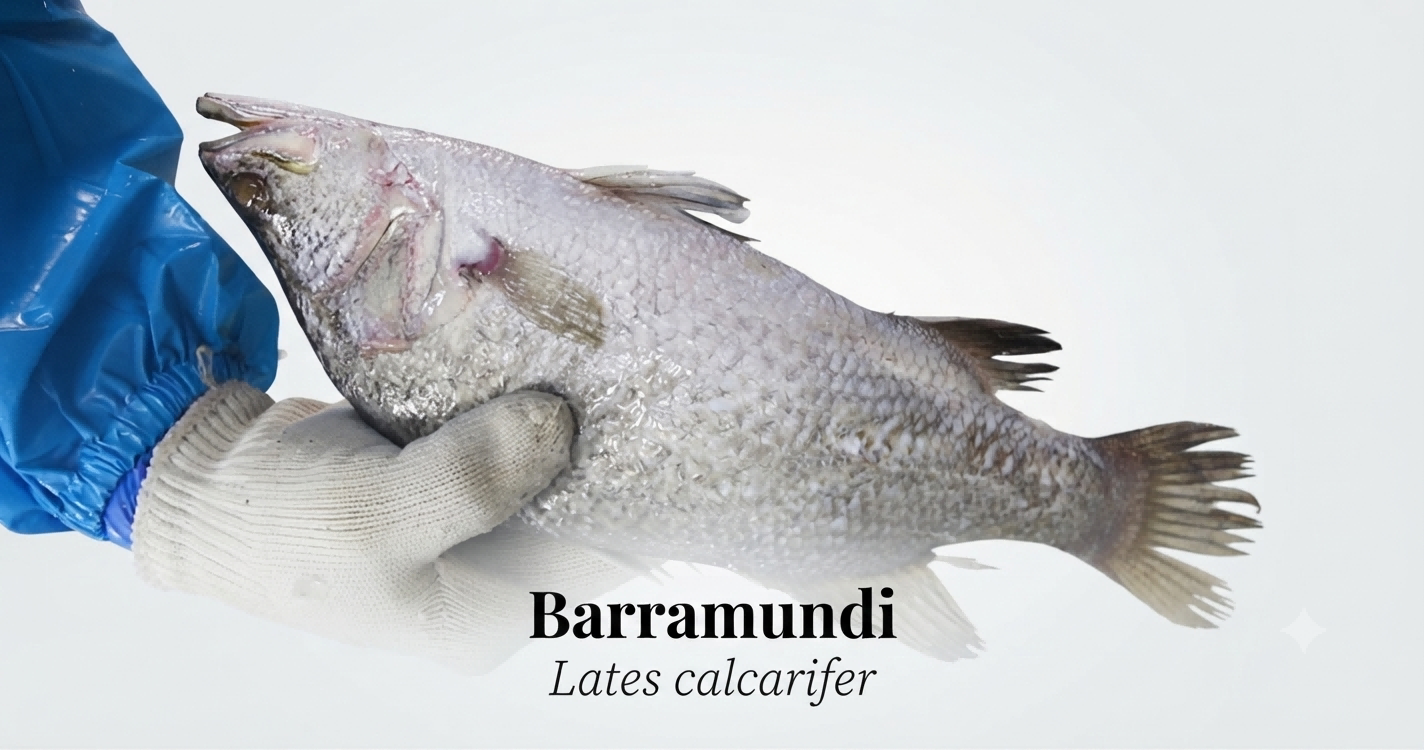
Barramundi, scientifically known as Lates calcarifer, is another important warm-water species in the Asian aquaculture industry.
The species is widely farmed across tropical and subtropical regions of Asia and has become increasingly familiar to international seafood buyers.
China has developed barramundi farming and processing capacity, particularly in southern regions with suitable climatic conditions.
Depending on the market, Chinese barramundi suppliers may offer:
- Whole Gutted Barramundi
- Gilled, Gutted & Scaled Barramundi
- Butterfly Cut Barramundi
- Frozen Barramundi
- Barramundi Fillets
- IQF Barramundi
- Customized processing specifications
For international buyers, the most important factors are often not simply the fish species but the availability of the required size, processing method, packaging and supply volume.
This is where an integrated China barramundi supplier can provide value by combining raw material sourcing with processing and export services.
From Aquaculture to Seafood Processing
One of the most important developments in China’s seafood industry is the increasing integration between farming and processing.
Traditionally, seafood could be sold close to the farming area as fresh or live product. For international trade, however, products need to meet more specific requirements for freezing, packaging, documentation, cold-chain transportation and food safety.
Modern seafood processing therefore plays an important role in converting farmed fish into products suitable for international distribution.
Typical processing stages can include:
Farming → Harvesting → Grading → Processing → Freezing → Packing → Cold Storage → Export
Depending on the product, freezing technology may include IQF freezing or other rapid freezing methods designed to maintain product quality during transportation and storage.
Processing also allows suppliers to standardize product specifications.
For example, a 500g farmed seabass can be processed into two fillets, while different fish sizes can be allocated to different retail or foodservice requirements.
Why Product Specifications Matter to International Buyers
For seafood importers, the purchase price is only one part of the overall cost.
The final economics of a frozen seafood product can also depend on:
- Raw fish size
- Processing yield
- Fillet weight
- Glazing percentage
- Net weight
- Packaging format
- Carton dimensions
- Loading quantity
- Cold-chain costs
- Destination market requirements
This is especially important for frozen seabass fillets and frozen barramundi, where buyers may have very specific requirements for portion size and packaging.
For this reason, international buyers often look for seafood suppliers that can discuss the complete product specification rather than simply provide a price per kilogram.
China’s Seafood Processing Industry and Export Supply
China has developed a large seafood processing sector serving both domestic consumption and international markets.
Processing centers are often located close to major farming areas, ports and logistics networks.
This creates several advantages for export-oriented seafood suppliers:
Integrated Raw Material Supply
Access to nearby farming areas can help processors source fish according to size and seasonal availability.
Processing Flexibility
Factories can process fish into different formats depending on the requirements of different markets.
Cold Storage
Frozen seafood requires reliable cold storage before export. Large processing centers therefore often operate or have access to substantial frozen storage capacity.
Export Logistics
China’s extensive port and logistics network connects seafood processing regions with major international markets in Asia, Europe, the Middle East, North America and other regions.
Seasonal Supply and Seafood Prices
Like many agricultural and aquaculture products, seafood prices in China are affected by supply and demand.
Aquaculture production is influenced by factors including:
- Water temperature
- Farming cycles
- Feed costs
- Fish growth periods
- Harvest timing
- Domestic demand
- Holiday stocking
- Export demand
- Raw material availability
For farmed seabass and barramundi, seasonal harvest patterns can therefore influence both fish sizes and raw material prices.
International buyers planning regular imports may benefit from discussing expected annual volumes and preferred size ranges with suppliers in advance.
Longer-term purchasing plans can make it easier for suppliers to organize raw material and production schedules, particularly for specifications that are not continuously available in the spot market.
The Growing Importance of Traceability and Food Safety
As international seafood trade becomes more sophisticated, buyers are paying increasing attention to traceability and food safety.
For farmed seafood, traceability can cover different stages of the supply chain, including:
Farm → Raw Material → Processing → Packaging → Cold Storage → Shipment
International customers may also require specific documentation, product testing, packaging compliance, processing records and other information depending on the destination market.
As a result, seafood processing companies increasingly need to manage not only production but also documentation and compliance throughout the export process.
Asian Seabass and Barramundi for International Markets
Asian seabass and barramundi are both suitable for a variety of international seafood channels.
Asian Seabass
Asian seabass is commonly used in:
- Retail seafood
- Foodservice
- Restaurants
- Seafood wholesalers
- Frozen seafood distribution
- Food processing
The fish can be supplied whole or processed into fillets according to the requirements of the destination market.
Barramundi
Barramundi is also used across retail, foodservice and wholesale channels.
Whole gutted, GGS, butterfly-cut and frozen fillet products can serve different market segments.
The combination of farming availability and processing flexibility makes both species suitable for international buyers looking for farmed white-flesh fish.
What International Buyers Should Consider When Sourcing from China
When selecting a China seafood supplier, buyers may want to consider more than the initial quotation.
Important questions include:
- Where does the raw material come from?
- Is the fish farmed or wild-caught?
- What sizes are regularly available?
- What processing formats can the factory provide?
- What is the expected processing yield?
- What glazing and net-weight specifications are available?
- What packaging options are possible?
- What is the normal container loading quantity?
- What export markets does the supplier currently serve?
- Can the supplier support long-term supply planning?
These questions can help buyers compare suppliers on the basis of the complete supply chain rather than price alone.
The Future of China’s Farmed Seafood Supply Chain
China’s aquaculture industry is gradually moving toward a more integrated model combining farming, processing, cold-chain logistics and international market requirements.
For international buyers, this means that the Chinese seafood market is increasingly about more than production volume.
The ability to provide:
Stable Raw Material + Consistent Specifications + Processing Capability + Cold Chain + Export Support
is becoming increasingly important.
Asian seabass and barramundi are good examples of how farmed fish can move through this integrated supply chain—from aquaculture farms to modern seafood processing facilities and finally to international markets.
Asian Seabass and Barramundi Supplier from China
For buyers looking for a China seabass supplier, Asian seabass supplier, frozen seabass fillet supplier, China barramundi supplier or frozen barramundi, southern China offers an established aquaculture and seafood processing base.
CHF Seafood focuses on farmed seafood production and processing, with Asian Seabass and Barramundi among its key products.
Asian seabass can be supplied in whole and processed formats, including whole round, gutted and scaled, skin-on PBO fillets and IQF products.
Barramundi is available in formats including whole gutted, GGS and other customized processing specifications, subject to size and raw material availability.
For current specifications, packing details, loading quantities and export quotations, please contact our seafood sales team.
Conclusion
China’s aquaculture industry in 2026 represents a large and increasingly integrated seafood supply chain.
From Guangdong and Fujian to Zhejiang, Shandong, Hainan and other production regions, different aquaculture clusters contribute to China’s diverse seafood industry.
At the same time, the development of seafood processing, freezing, cold storage and international logistics is allowing more farmed seafood products to reach global markets.
Asian Seabass and Barramundi are two important examples of this development.
For international seafood buyers, understanding China’s aquaculture regions, farming cycles, processing capabilities and supply chain structure can provide a useful starting point when evaluating potential suppliers and planning long-term seafood sourcing.