European Seabass vs. Asian Seabass: Key Differences, Nutrition, and Market Outlook
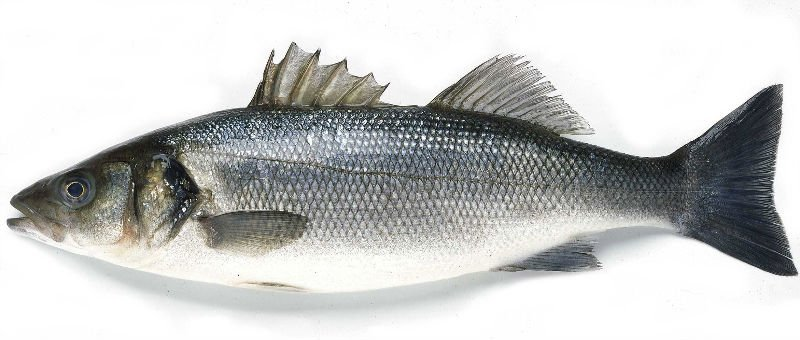
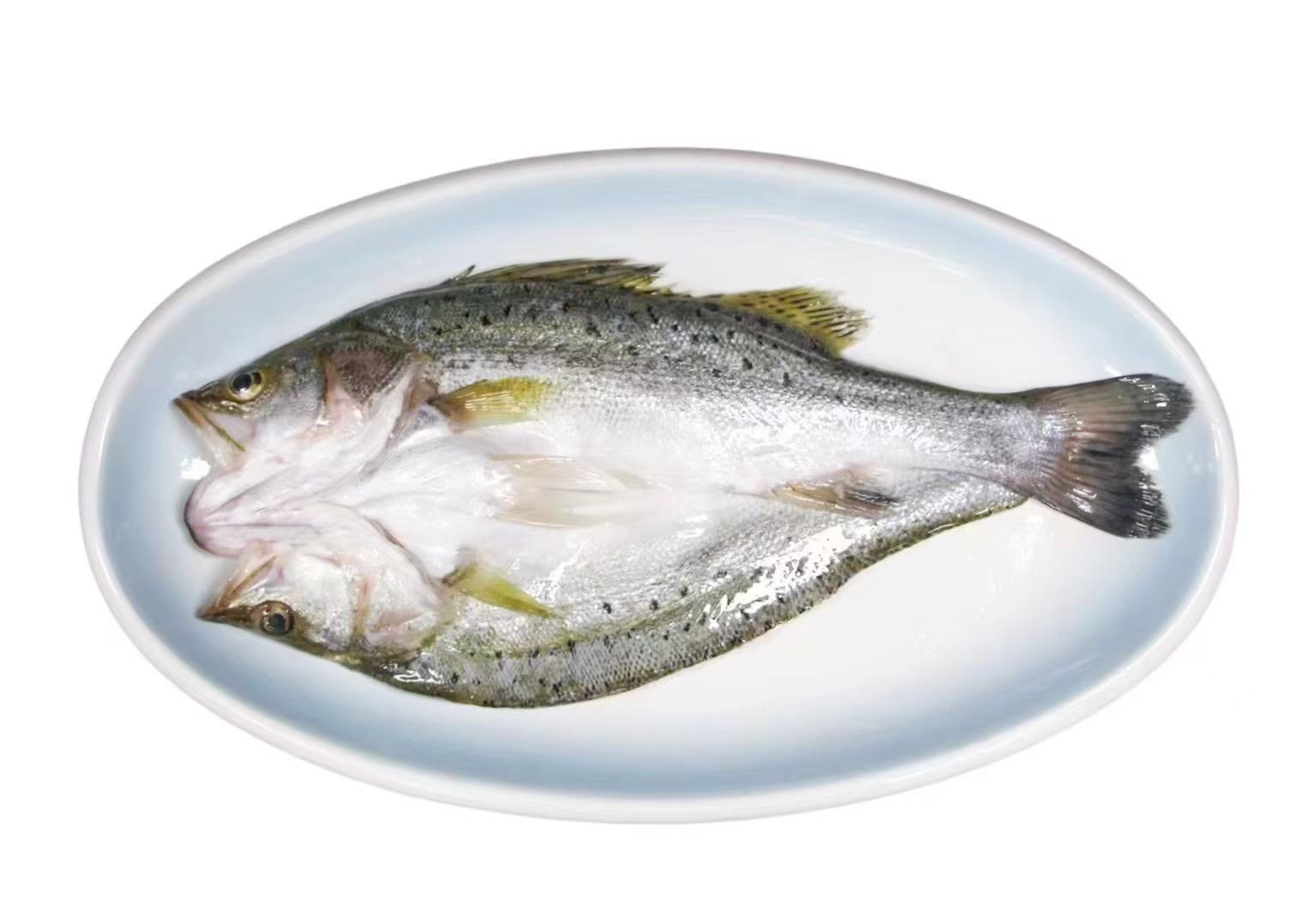
European Seabass (Dicentrarchus labrax) has long been a preferred choice in many premium seafood markets, known for its delicate texture and mild flavor. However, with this year’s lower production in Europe and rising prices, buyers are increasingly exploring high-quality alternatives—among them, Asian Seabass (Lateolabrax japonicus), also known as Huā Lú, Qīxīng Lú, or Japanese Seabass.
Both species share similar culinary value, yet they differ in farming environments, seasonal availability, and price stability. For many processors, importers, and distributors, understanding these differences can help plan purchasing strategies more efficiently.
1. Species & Farming Environment
European Seabass — Dicentrarchus labrax
-
Traditionally farmed in the Mediterranean region
-
Marine aquaculture
-
Recognized for its established presence in European and Middle Eastern markets
Asian Seabass — Lateolabrax japonicus
-
Cultured in brackish and coastal waters across Asia
-
Known in China as Huā Lú or “ Baijiao Seabass”
-
Stable supply due to large-scale modern aquaculture systems
Asian Seabass is especially valued for its firm flesh, clean flavor profile, and versatility for fillets, steaks, and value-added products.
2. Seasonal Availability & Supply Outlook
Each year, new Asian Seabass harvest begins around September, with fish reaching 0.5 kg+ sizes.
By December and January, the fish grow to ideal fillet sizes, making this period the best time for buyers needing:
-
Skin-on / skinless fillets
-
Portion cuts
-
Value-added processing
This seasonal peak ensures:
-
Consistent raw material quality
-
Sufficient supply volume
-
More competitive pricing compared to most other months
Given the reduced European Seabass production this year, many buyers are evaluating Asian Seabass as a practical and reliable alternative—especially for fillet programs.
3. Nutritional Comparison (per 100g raw fish)
Both species offer lean protein, omega-3s, and essential minerals. Below is a simplified comparison.
European Seabass (Dicentrarchus labrax)
| Nutrient | Amount |
|---|---|
| Energy | 97 kcal |
| Protein | 18.4 g |
| Fat | 2.0 g |
| Omega-3 (EPA+DHA) | ~0.8 g |
| Calcium | 17 mg |
| Potassium | 256 mg |
| Selenium | 36 µg |
Asian Seabass (Lateolabrax japonicus)
| Nutrient | Amount |
|---|---|
| Energy | 105 kcal |
| Protein | 20.0 g |
| Fat | 2.5 g |
| Omega-3 (EPA+DHA) | ~0.75 g |
| Calcium | 22 mg |
| Potassium | 280 mg |
| Selenium | 40 µg |
Summary:
Asian Seabass offers slightly higher protein and mineral content, with a similarly clean flavor and cooking performance compared with European Seabass.
4. Why Asian Seabass Is Increasingly Preferred
-
Stable year-round production with peak quality in December–January
-
Suitable, consistent fillet sizes during the main harvesting season
-
Competitive pricing, especially in years with limited European supply
-
Excellent texture and flavor comparable to European Seabass
-
Ideal for processors needing uniform fillets or value-added products
Asian Seabass has become a strategic choice for buyers seeking both quality and stability—without compromising taste or customer satisfaction.
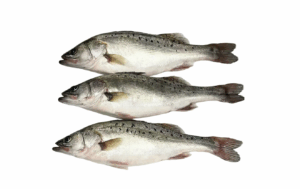
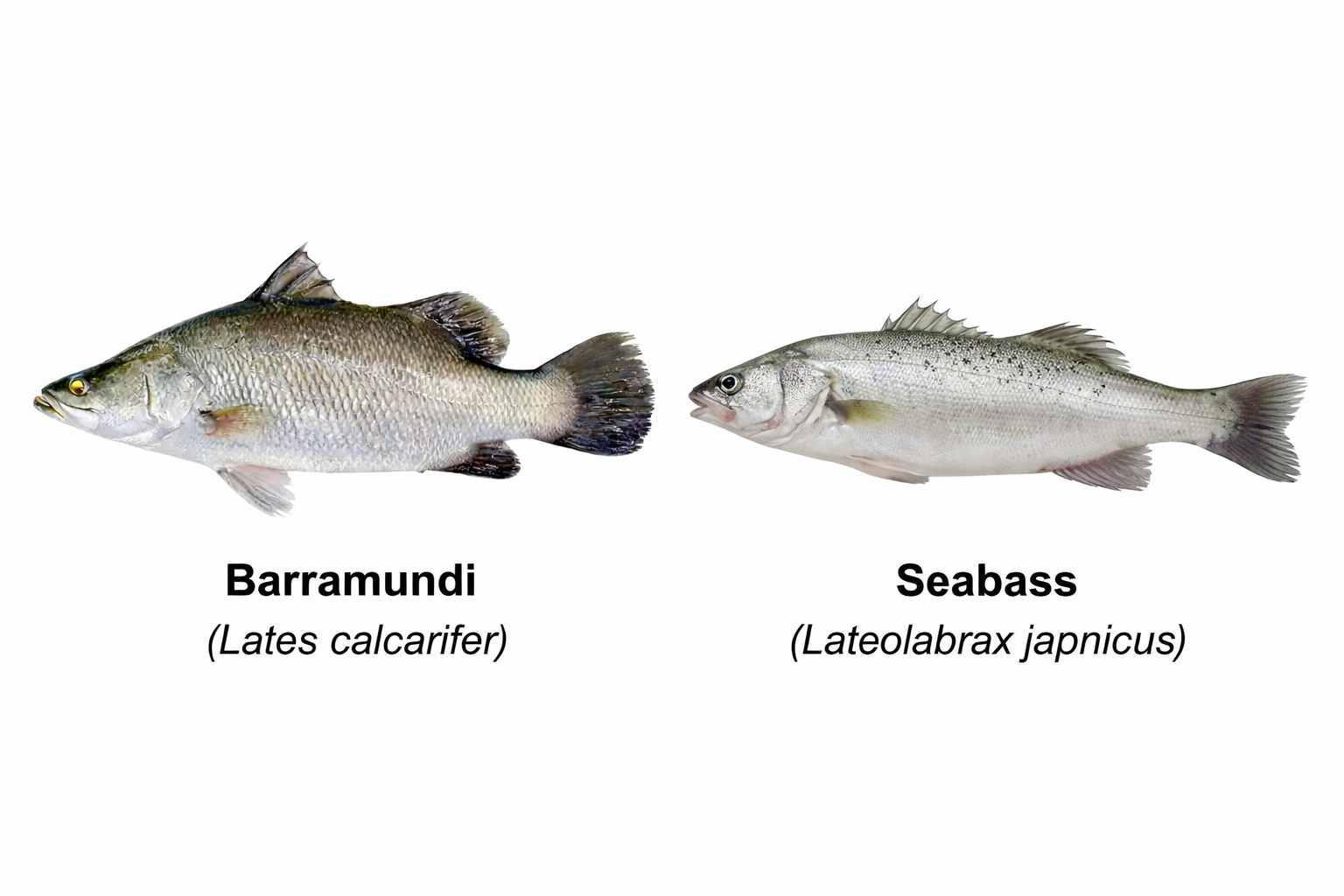
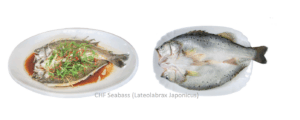
Asian Seabass (also known in Chinese as 花鲈, 七星鲈鱼,海鲈鱼, or 日本真鲈 Japanese Seabass; sometimes called Sea Perch in English and referred to as Barramundi in parts of Southeast Asia, though the true Barramundi is Lates calcarifer and different from Seabass) has become a strategic choice for buyers seeking both quality and stability—without compromising taste or customer satisfaction.
Conclusion
European Seabass remains a respected species in the global seafood market. However, the growing interest in Asian Seabass reflects a shift toward stable sourcing, predictable supply, and cost-effective purchasing strategies—especially in years when European output declines.
With strong availability from December through January and ideal fillet specifications, Asian Seabass offers a practical and high-quality solution for seafood importers, distributors, and retail programs worldwide.
If you are exploring new options in Seabass sourcing, Asian Seabass is a strong candidate to consider for the upcoming season.
Interested in sourcing high-quality Asian Seabass or European Seabass? Contact Chloe at chloe@chfseafood.com or call +86 137 2705 0518 for inquiries, pricing, and sample requests.