Barramundi vs Sea Bass: What Is the Difference?
Barramundi and sea bass are two popular white fish commonly found in seafood markets and restaurant menus worldwide. Both are valued for their mild flavor, firm white flesh, and versatility in cooking.
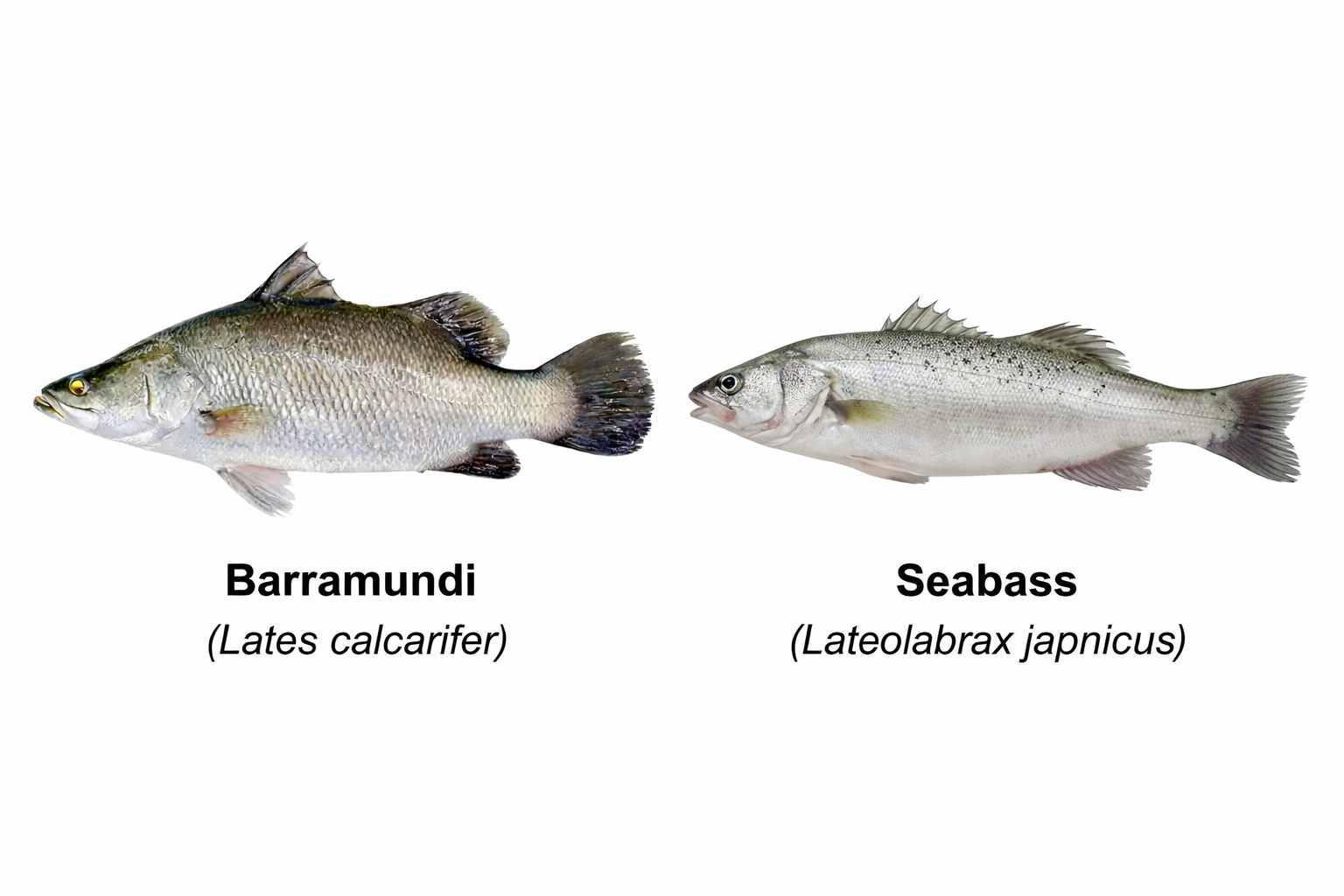
However, many buyers and consumers are confused about whether barramundi and sea bass are actually the same fish. In reality, they are different species, although they share similar culinary characteristics.
In global seafood trade, the term “sea bass” most commonly refers to two species:
-
European Sea Bass
-
Japanese Sea Bass
Meanwhile, barramundi refers specifically to:
-
Barramundi
Understanding the differences between these fish helps seafood importers, distributors, chefs, and consumers choose the right product.
What Is Barramundi?
Barramundi is a species native to the Indo-Pacific region, including Australia, Southeast Asia, and parts of China.
The name “Barramundi” comes from an Australian Aboriginal language, meaning “large-scaled river fish.”
Barramundi has become popular in international seafood markets because of its:
• clean and mild taste
• firm white flesh
• slightly higher oil content compared with many white fish
Barramundi is widely farmed using modern aquaculture systems, allowing stable production and consistent supply for global seafood markets.
What Is Sea Bass?
“Sea Bass” is a general commercial name used for several species of fish with similar characteristics such as white flesh and delicate flavor.
In global seafood markets, the two most common species are:
European Sea Bass
European Sea Bass is widely farmed in Mediterranean countries including:
-
Greece
-
Turkey
-
Spain
-
Italy
This species is also known as:
-
Mediterranean Sea Bass
-
Branzino (Italy)
-
Loup de Mer (France)
European sea bass is typically raised in marine aquaculture systems in the Mediterranean Sea.
Japanese Sea Bass (Asian Sea Bass)
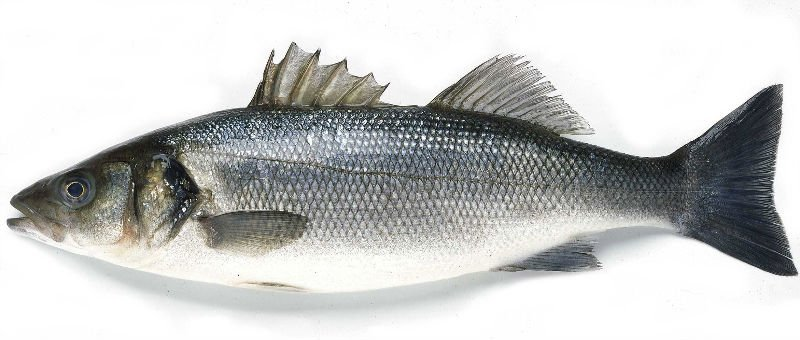
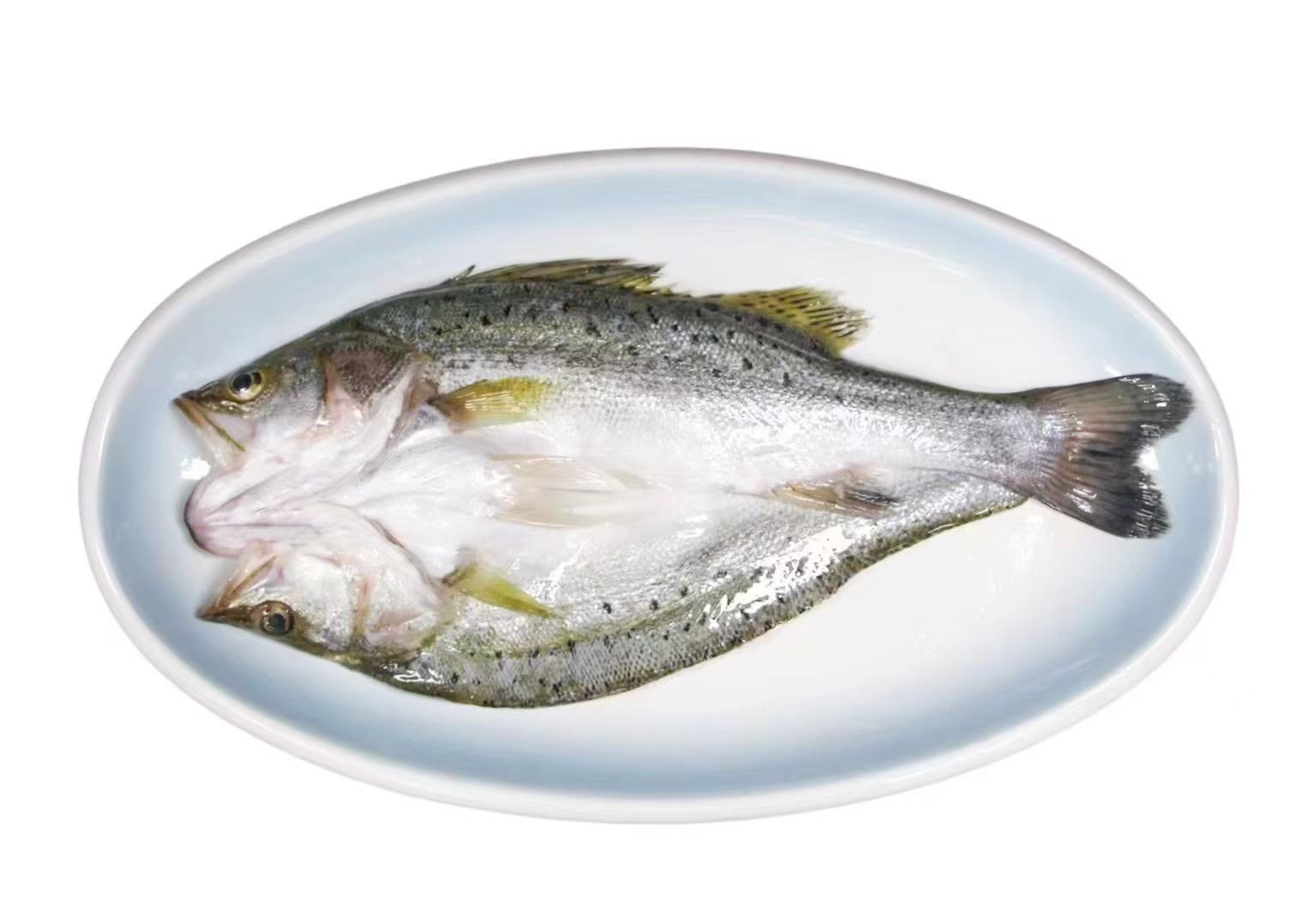
Japanese Sea Bass is widely farmed in East Asia, particularly in Zhuhai, Guangdong Province, China.
Unlike purely marine fish, Japanese sea bass are commonly raised in brackish-water aquaculture, where freshwater from rivers mixes with coastal seawater.
Baijiao Town in Zhuhai is one of the most important farming areas for this species and is often called the “Hometown of Chinese Sea Bass.”
Barramundi vs Sea Bass: Key Differences
The following table summarizes the main differences between barramundi and the most common sea bass species.
| Feature | Barramundi | European Sea Bass | Japanese Sea Bass |
|---|---|---|---|
| Latin name | Lates calcarifer | Dicentrarchus labrax | Lateolabrax japonicus |
| Common names | Barramundi, Asian Sea Bass (in some markets) | Mediterranean Sea Bass, Branzino | Japanese Sea Bass, Sea Perch |
| Farming regions | Australia, Southeast Asia, China | Mediterranean countries | China, East Asia |
| Farming environment | Marine & brackish | Marine | Brackish water |
| Taste | Richer, buttery | Mild and delicate | Clean and slightly sweet |
| Texture | Firm | Tender | Firm |
Nutritional Benefits
Both barramundi and sea bass are considered healthy seafood choices because they contain:
-
high-quality protein
-
beneficial Omega-3 fatty acids
-
essential vitamins and minerals
Barramundi usually contains slightly higher fat levels, while sea bass is often considered a leaner white fish option.
Both species can be part of a balanced and nutritious diet.
Cooking Barramundi and Sea Bass
Because of their firm texture and mild flavor, both fish are suitable for many cooking methods.
Popular preparation techniques include:
-
grilling
-
steaming
-
baking
-
pan-searing
-
roasting
They are widely used in restaurants, fine dining cuisine, and home cooking.
Global Market Demand
Demand for both barramundi and sea bass continues to grow in international seafood markets.
Major importing regions include:
-
North America
-
Europe
-
Australia
-
the Middle East
With the expansion of aquaculture, these fish are now widely available in fresh and frozen formats for global distribution.
FAQ
Is barramundi the same as sea bass?
No. Barramundi refers specifically to Barramundi, while sea bass is a general term that may refer to species such as European Sea Bass or Japanese Sea Bass.
Which fish tastes better?
Both fish have mild flavors. Barramundi tends to have a slightly richer taste, while sea bass has a lighter and leaner texture.
Are barramundi and sea bass healthy?
Yes. Both are rich in protein and contain beneficial Omega-3 fatty acids.
Contact
For seafood product information or inquiries, please contact:
📧 Email: marketing@chfseafood.com