Spotted Sea Bass vs Other Sea Bass Species: Key Differences Explained
Sea bass is one of the most popular seafood categories worldwide, but many buyers and consumers are often confused by the different species available on the market. Among them, spotted sea bass is frequently compared with other types such as Japanese sea bass, European sea bass, and barramundi.
In this article, we break down the key differences between spotted sea bass and other sea bass species in terms of origin, appearance, taste, and market positioning.
What Is Spotted Sea Bass?
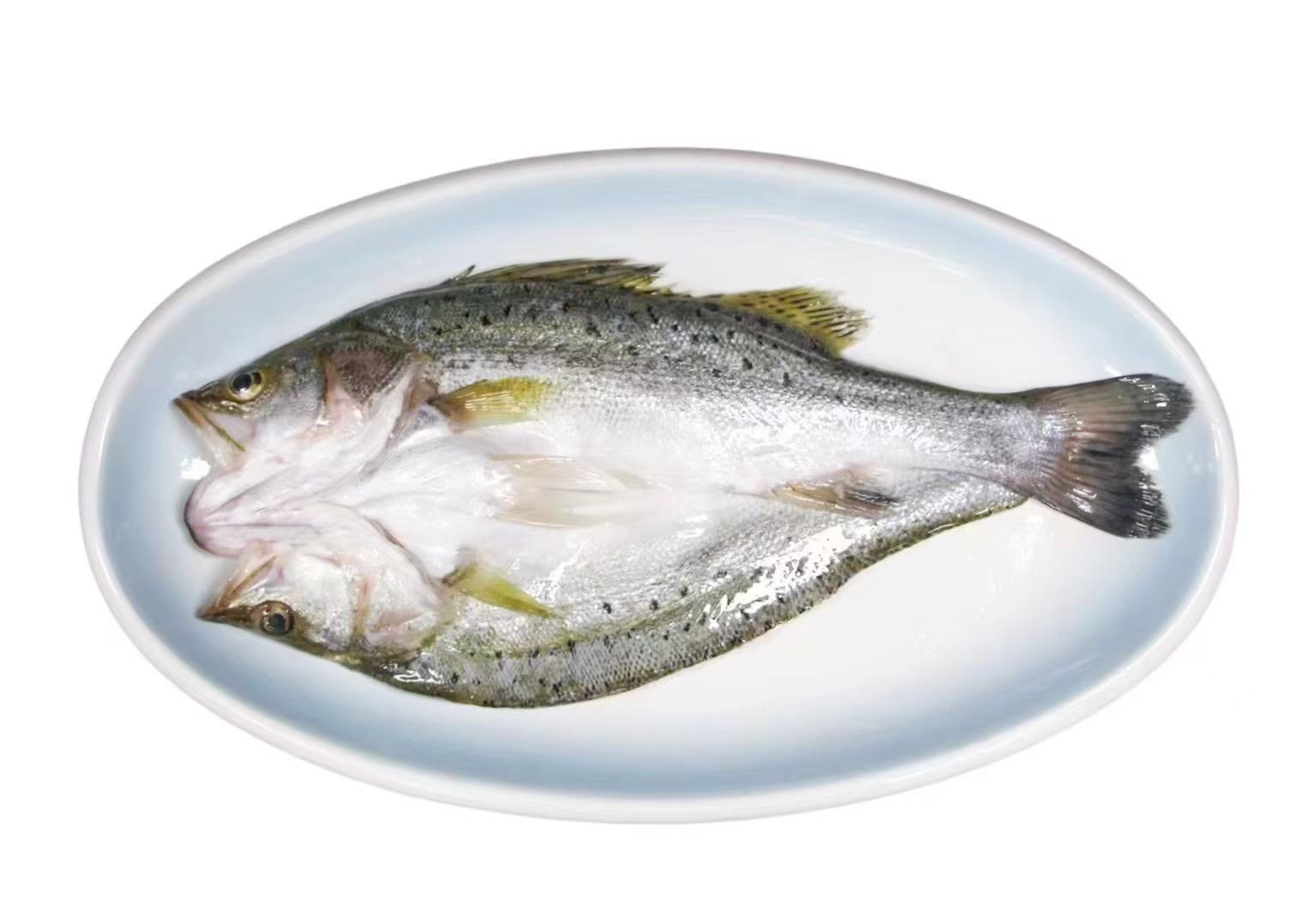
Spotted sea bass is not a strict scientific classification but a general term used in some markets to describe sea bass with visible dark spots on their body.
These fish are commonly found in coastal waters and are known for their firm texture and mild flavor. In some cases, Japanese sea bass may show spotted patterns during certain growth stages, which can lead to naming confusion.
Why Is It Called Japanese Sea Bass?
One common question is why Chinese farmed sea bass is called “Japanese sea bass.”
The answer lies in scientific classification rather than origin. Japanese sea bass refers to the species Lateolabrax japonicus, which was first identified and named by Japanese researchers.
Today, however, this species is widely farmed in China, which has become the largest producer and exporter globally. Therefore, the name “Japanese sea bass” does not indicate the country of origin, but rather the biological classification of the fish.
Common Sea Bass Species in the Market
Before comparing, it is important to understand the main sea bass species available globally:
-
Japanese Sea Bass (Lateolabrax japonicus)
-
European Sea Bass (Dicentrarchus labrax)
-
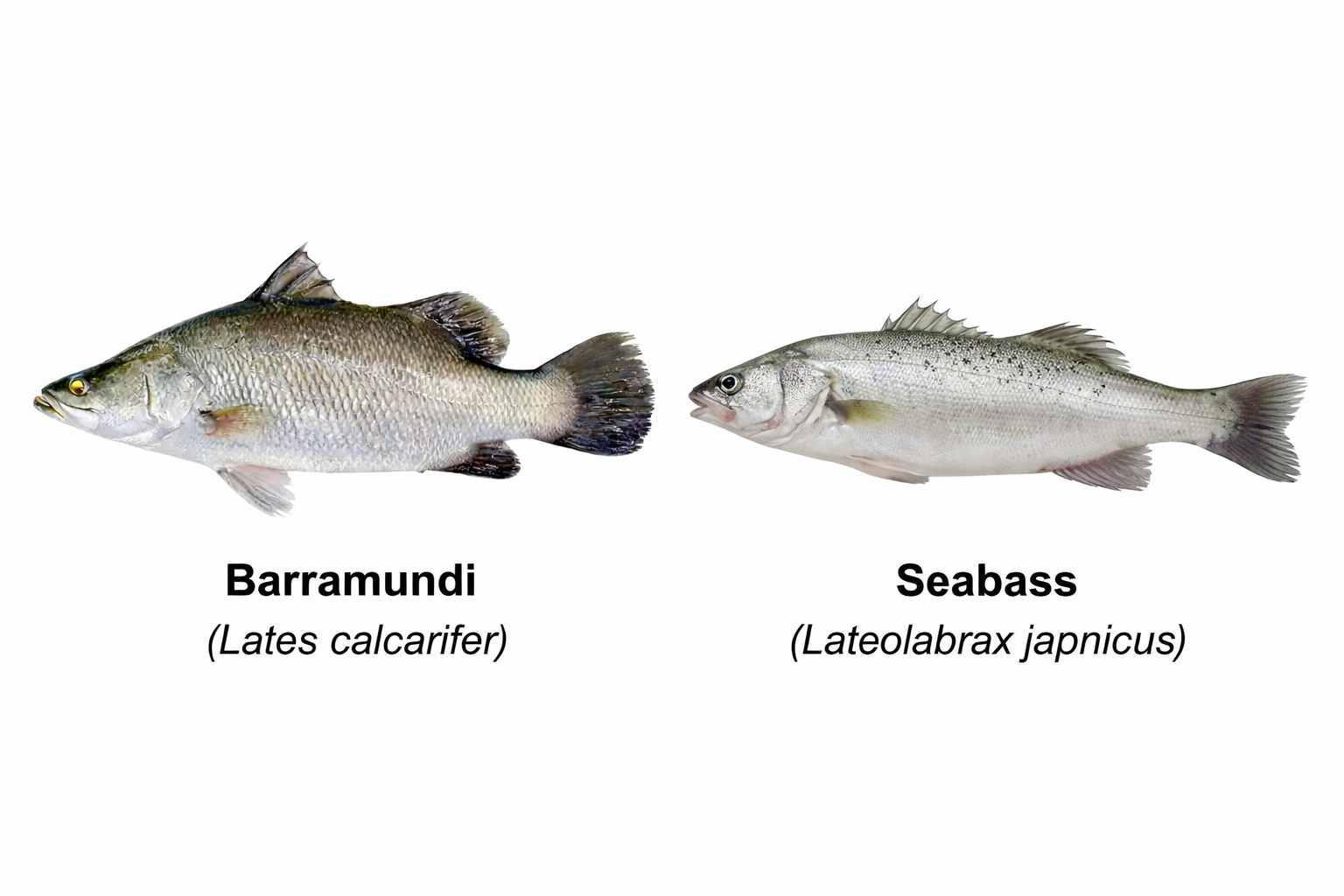
Barramundi (Lates calcarifer)
-
Spotted Sea Bass (a general market term)
Each species differs in habitat, farming method, and consumer preference.
Key Differences Between Spotted Sea Bass and Other Sea Bass
1. Appearance
-
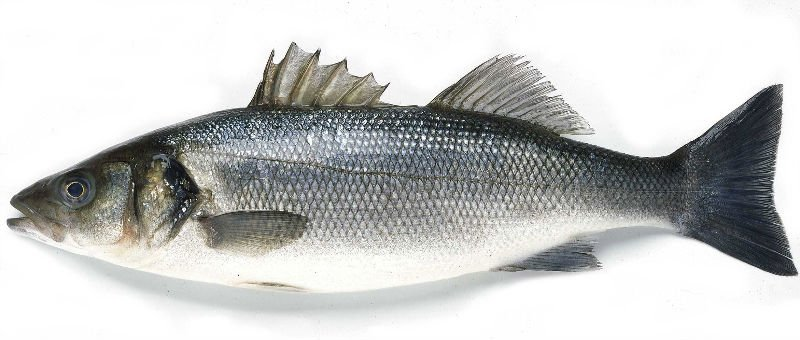
Spotted Sea Bass: Distinct dark spots on the body
-
Japanese Sea Bass: Silver body, sometimes with faint spots in early stages
-
European Sea Bass: Smooth body with no spots
-
Barramundi: Larger scales with a slightly greenish back
Spotted sea bass is the easiest to identify visually due to its markings.
2. Habitat and Farming
-
Spotted Sea Bass: Coastal and estuarine waters
-
Japanese Sea Bass: Widely farmed in China
-
European Sea Bass: Mediterranean aquaculture
-
Barramundi: Tropical and subtropical regions
Japanese sea bass and barramundi are more commonly farmed on a large commercial scale.
3. Taste and Texture
-
Spotted Sea Bass: Mild flavor, slightly firmer texture
-
Japanese Sea Bass: Clean taste, soft and delicate flesh
-
European Sea Bass: Richer flavor, popular in Western cuisine
-
Barramundi: Buttery taste, moist texture
Taste preference often depends on regional cooking styles.
4. Market Position
-
Spotted Sea Bass: Niche or regional market
-
Japanese Sea Bass: Strong export presence from China
-
European Sea Bass: Premium segment in Europe
-
Barramundi: Rapidly growing global demand
Japanese sea bass and barramundi are more widely recognized in international trade.
Which Sea Bass Is Better?
There is no single “best” sea bass species. The right choice depends on your market needs:
-
For cost-effective supply → Japanese sea bass
-
For premium retail → High-quality Japanese sea bass and European sea bass, depending on market preference
-
For menu versatility → Barramundi
-
For regional or specialty demand → Spotted sea bass
Conclusion
Spotted sea bass is a commonly used market term rather than a specific species, while Japanese sea bass (Lateolabrax japonicus) remains one of the most important aquaculture species globally.
Understanding these differences helps importers, distributors, and seafood buyers make better sourcing decisions based on their target market and customer preferences.